

KIDS & THE DENTIST: THIER FIRST VISIT
A first visit that feels like an adventure
Bring your kids in for a clinic tour before their appointment. They get used to the room, meet the team and discover how fun brushing can be — so the real visit is familiar instead of frightening.
Our dentists are trained to see kids and provide a wide range of paediatric care. However, if we find that your child has many problems or they need special attention, a specialist referral may be required. Nevertheless, let our dentists take a look to assess your child first.
- Clinic tour before treatment
- Gentle, child-paced appointments
- Play-based brushing coaching
- Same-day help for accidents
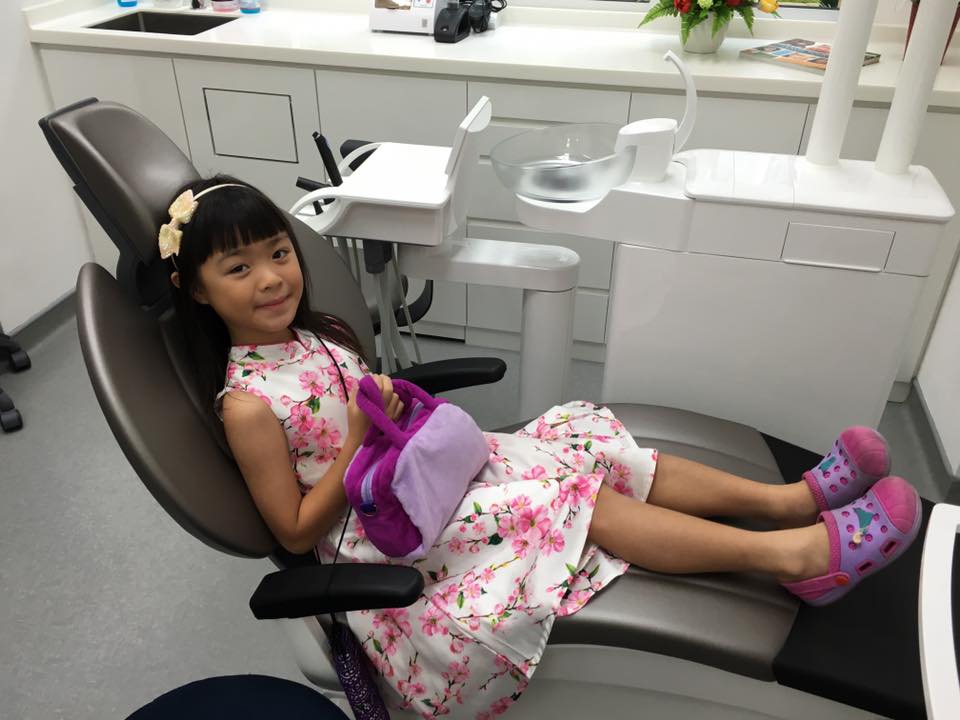
The questions parents ask us most
Tap any question to open the answer — no long reading required.
Primary teeth help your child chew easily, speak clearly and feel good about their smile. Untreated decay can affect general health, and baby teeth hold the spaces that permanent teeth erupt into.
Visiting only when there is a problem teaches children that dentistry means discomfort. Early, routine visits do the opposite.
Between two and five years of age lets us prevent and anticipate problems rather than treat them.
- Caries risk assessment tailored to your child
- Habit review — thumb sucking, mouth breathing, bottle use
- A personalised prevention programme for home care
Our dentists are trained to see kids and provide a wide range of paediatric care. However, if we find that your child has many problems or they need special attention, a specialist referral may be required. Nevertheless, let our dentists take a look to assess your child first.
How to prepare your child
Early visits teach your child that the dentist is not something to fear. We start with simple steps — a mouth mirror, a gentle clean — and build from there. Older children can join your own appointment and watch you model calm behaviour.
- Bribe your child into going to the dentist or use a dental visit as a punishment
- Communicate your own fears to your child
- Let anyone tell your child scary stories about dental visits
- Be a role model to your child in terms of dental behavior, diet and oral hygiene
- Accompany your child at least for the first visit instead of relegating this to relatives and caregivers
- In making your first appointment, tell the dental staff about your child including any special needs or medical problems.


Interactive triage
What happened? Get the next step in one tap
Choose the situation below and we will show you how urgent it is and exactly what to do while you get to us.

Call us immediately
Adult tooth knocked out
Minutes matter. Replant the tooth and call us on the way.
- Hold the tooth by the crown — never touch or scrub the root.
- Rinse gently with milk or saline if it is dirty.
- Place it back into the socket and have your child bite on clean gauze.
- If replanting is not possible, store the tooth in milk and come straight in.
Pediatric Dental Emergencies: A Clinical Guide for Parents
Dental emergencies in children are rarely expected, but they demand an immediate, informed response. Unlike medical emergencies where a hospital is the default destination, dental emergencies often require specific, time-sensitive interventions that only a pediatric dentist can provide. Tap a card to open the clinical detail behind each situation.
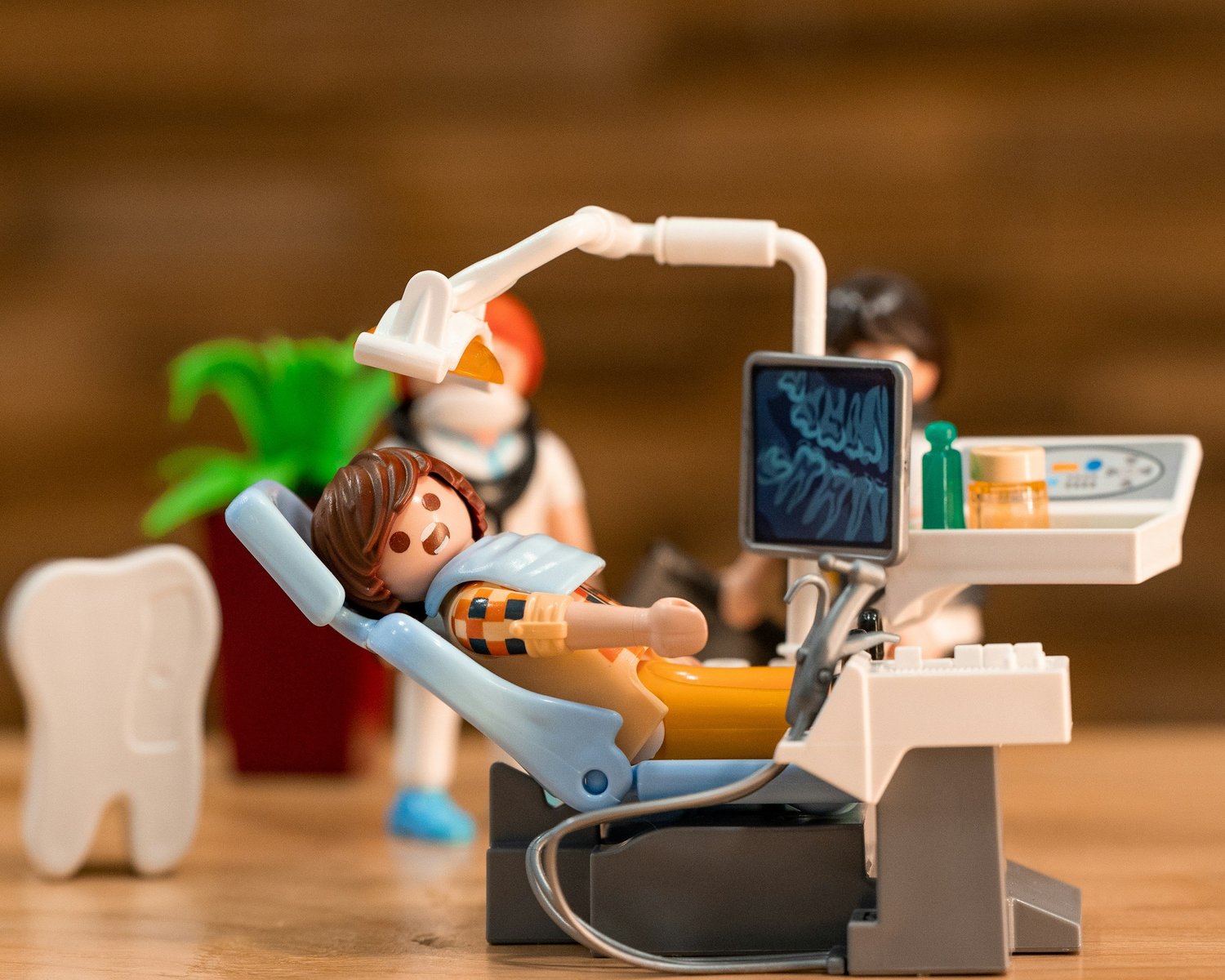
Severe Early Childhood Caries (ECC): The Progressive Emergency
“Milk bottle caries” — a chronic emergency that damages adult teeth.
Why it happens: prolonged exposure to milk, formula or juice — especially during sleep — creates an acidic mouth, demineralising the upper front teeth first.
Red flags:
- White spot lesions along the gingival margin
- Brown or dark discoloration encircling the cervical third of the crown
- Visible cavitations or spontaneous nocturnal pain
- Intraoral or facial swelling (indicating pulpal involvement or abscess)
What to do: stop all bedtime bottles except water and book an urgent comprehensive exam — do not wait for the six-month recall.

Avulsion of a Primary (Baby) Tooth: A Critical Distinction
Never replant a baby tooth — protect the adult tooth underneath.
Tooth avulsion—the complete displacement of a tooth from its socket—is among the most visually alarming emergencies for parents. However, management differs fundamentally between primary and permanent dentition.
Reimplantation of an avulsed primary tooth carries a significant risk of injury to the developing permanent tooth bud, potentially resulting in enamel hypoplasia, dilaceration, or sequestration of the successor tooth.
- Locate the tooth to rule out aspiration.
- Control bleeding — bite on sterile gauze for five to ten minutes.
- Do not handle the root; hold the crown only.
- Seek urgent evaluation for root fragments or alveolar fracture.
Permanent teeth are the opposite: rinse gently, replant immediately and come straight in. Time is the single biggest factor.

Other High-Priority Pediatric Dental Emergencies
Luxation injuries, abscesses and jaw dislocation.
Dental Luxation Injuries — Luxation refers to the displacement of a tooth without complete avulsion. This includes:
- Extrusive: tooth looks elongated
- Lateral: tooth displaced sideways, often with bone fracture
- Intrusive: tooth driven up into the socket
Odontogenic Infection / Dentoalveolar Abscess — A parulis ("gum boil") or facial swelling of dental origin constitutes a potential medical emergency. In children, the vascularity of facial tissues allows rapid progression to life-threatening conditions, including orbital cellulitis, cavernous sinus thrombosis, or Ludwig’s angina. Never drain a swelling at home; definitive care means source control.
Mandibular Dislocation (Subluxation) — While less common in young children, adolescents may experience spontaneous temporomandibular joint dislocation, often precipitated by wide yawning, laughing, or dental treatment. Apply moist heat and proceed to controlled reduction; do not force the jaw closed.
- Uncontrollable bleeding
- Loss of consciousness
- Facial swelling affecting breathing or the eyes
- Possible broken jaw
- Knocked out baby tooth — next working day or urgent care
- Knocked out permanent tooth — immediately, call on the way
- Severe toothache waking your child at night
- Broken brace wire or bracket
The Ultimate Prevention Checklist
While you can't prevent a soccer ball to the face, you can prevent 90% of dental emergencies with these habits:
Stop bedtime bottle feeding after twelve months and brush after the final feed. Water only, once teeth are cleaned.
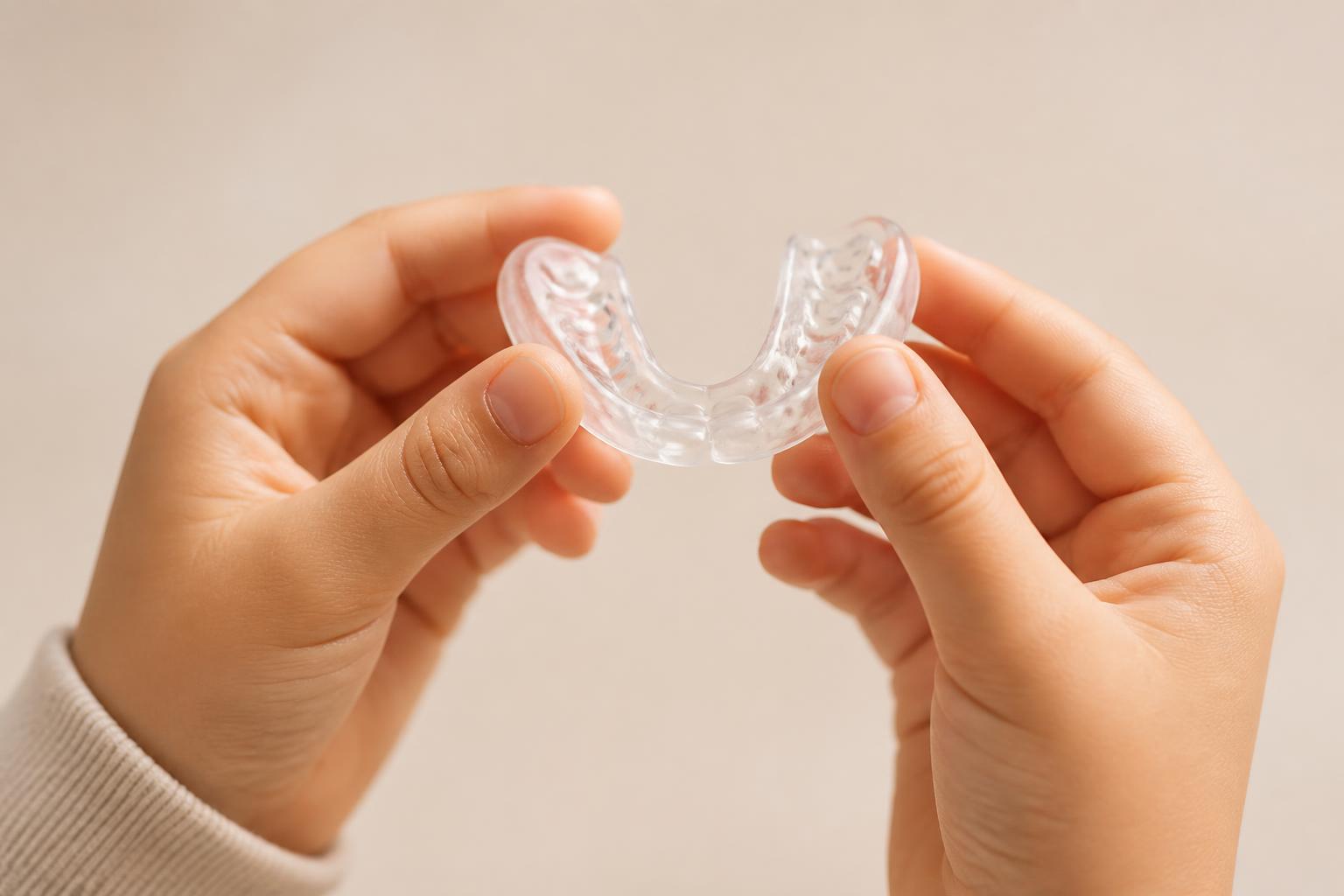
Custom-fitted guards for any activity with a fall risk — cycling, skateboarding, gymnastics, soccer. Custom laminate guards outperform boil-and-bite, which in turn outperform stock guards.
Discourage opening packaging, ripping tags or cracking hard objects with teeth — and model it yourself.
You should not be searching for a dentist while your child is in pain. For emergencies during business hours, call the clinic directly.
Bottom line: with baby teeth the goal is not to save the tooth at all costs — it is to protect the adult tooth underneath. Stay calm, follow the steps above, and call us when in doubt. A phone call takes 30 seconds; a permanent injury lasts a lifetime.
Book a family appointmentPrevention spotlight
Stopping cavities before they start
Two of the most common questions we hear from parents are about silver diamine fluoride and milk bottle caries. Here is a quick, practical guide to both.
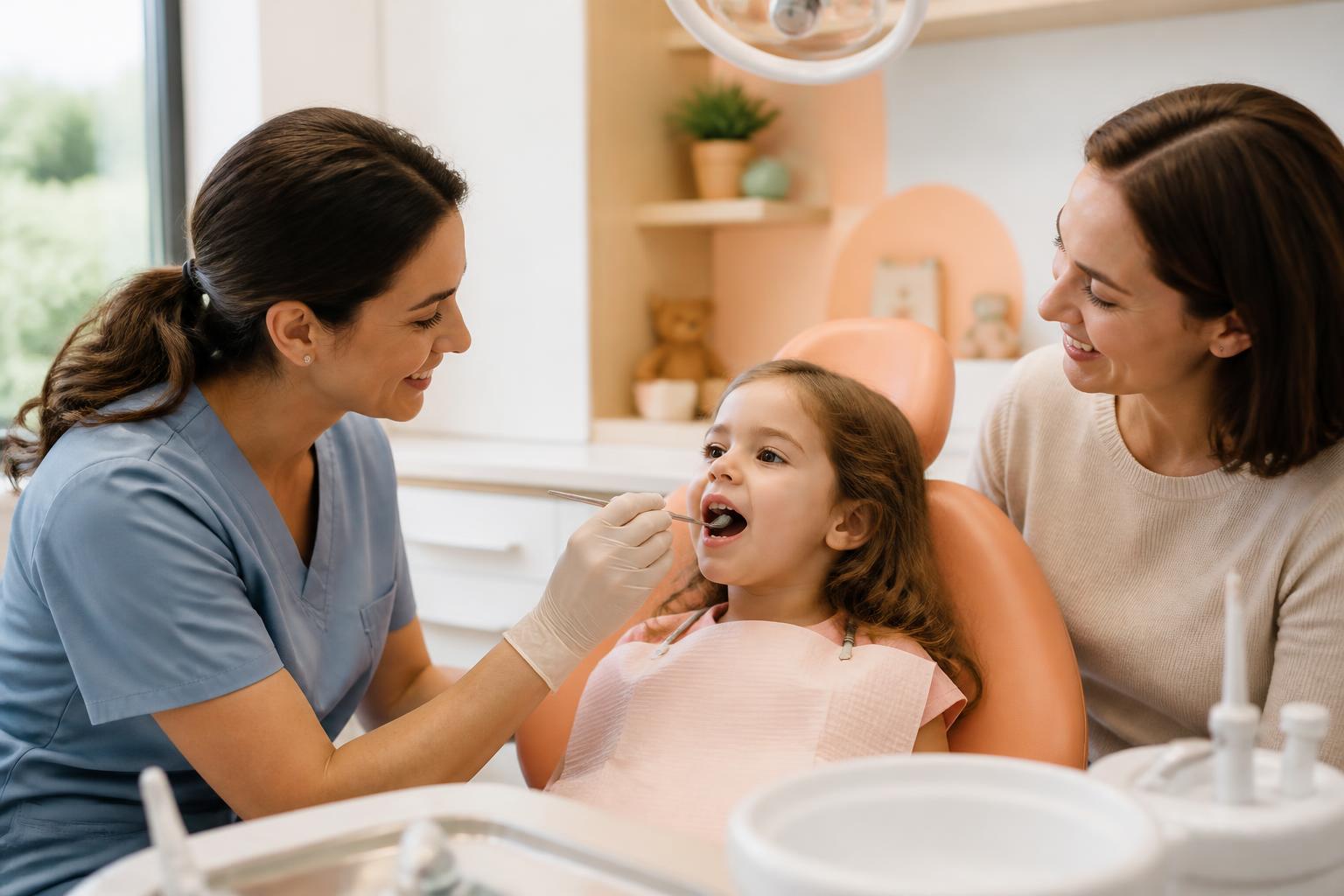
Silver diamine fluoride is a colourless liquid that we paint onto early cavities. It combines silver (which kills bacteria), fluoride (which remineralises enamel) and ammonia to keep a small lesion from growing.
When we use it:
- Very young children who are not yet ready for a traditional filling
- Children with high anxiety or special healthcare needs
- Deep grooves or early white-spot lesions between teeth
- As a temporary measure while we plan definitive treatment
What to expect: the appointment is quick — usually just a few minutes — and no drilling is needed. The treated area may darken slightly over time; this is how we know the decay has been arrested. We will always discuss whether SDF is the right choice for your child before applying it.
Milk bottle caries is rapid tooth decay in infants and toddlers. It usually begins on the upper front teeth after long, frequent exposure to milk, formula or juice — especially from a bottle or breast at bedtime.
Why it happens: during sleep, saliva flow drops. Liquids pool around the teeth, feeding bacteria that produce acid. The upper front teeth are affected first because the lower lip and tongue shield the lower teeth.
Prevention checklist:
- No bottle in bed after the final brush — water only
- Transition to a cup by 12–18 months
- Brush twice daily with a smear of fluoride toothpaste
- Limit juice and sweetened snacks to mealtimes
- Start dental visits early so we can spot white-spot lesions before they become cavities
If you already notice chalky white lines, brown spots or pitting on your child's front teeth, book an exam promptly. Early intervention can save both baby and adult teeth.
Questions? Every child's risk is different. Bring your little one in for a caries-risk assessment and we will tailor a prevention plan — including whether SDF is appropriate — that fits your family.
Book a prevention visit