
Overview
What is Dental Sleep Medicine?
Dental Sleep Medicine addresses sleep disorders such as sleep apnea and snoring, which can block airflow while sleeping and disrupt healthy sleep patterns. Patients with sleep-disordered breathing often feel exhausted, unable to concentrate, and at higher risk of chronic diseases such as hypertension, diabetes, stroke, heart problems and even neurological impairment.
Our dentists are trained to diagnose your sleep condition and recommend treatments that may include wearing an oral appliance alone, or in combination with machines that deliver air.
- Loud snoring or gasping during sleep
- Excessive daytime sleepiness
- Morning headaches or dry mouth
- Difficulty concentrating or irritability
- High blood pressure or heart rhythm issues
Snoring is the sound of a partially collapsed airway. When the tissues of the airway relax during sleep, the jaw can fall back and the base of the tongue approaches the wall of the hypopharynx. The rushing air vibrates the soft tissue, creating the snoring sound. If the airway collapses completely, breathing stops — this is obstructive sleep apnea.
Untreated sleep apnea is linked to a wide range of serious health problems:
- High blood pressure and heart disease
- Stroke and irregular heart rhythms
- Type 2 diabetes and weight gain
- Depression, anxiety and mood changes
- Excessive daytime sleepiness and impaired driving
- Screening — sleep history, airway exam and validated questionnaires
- Referral — to a sleep physician for formal diagnosis when needed
- Custom oral appliance — fitted precisely to your teeth and bite
- Follow-up — adjustments and monitoring to keep your airway open
Obstructive sleep apnea
When your airway collapses during sleep
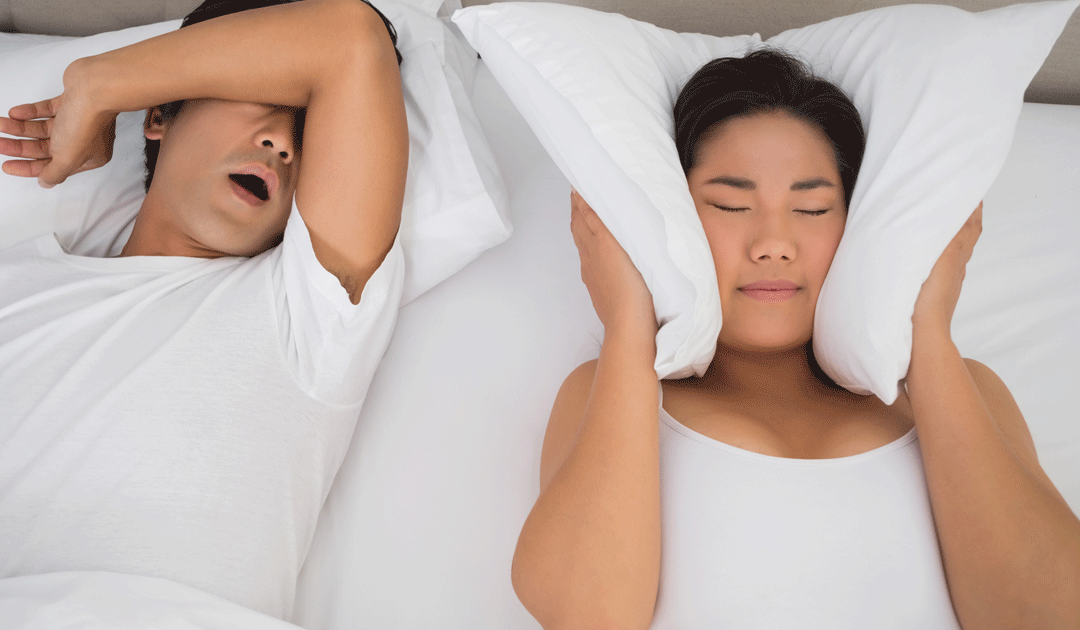
OBSTRUCTIVE SLEEP APNEA is when your muscles relax during sleep, allowing the soft tissue to collapse and block the airway. As a result, sleep apnea causes you to stop breathing up to hundreds of times a night for anywhere from a few seconds to more than a minute. Snoring, excessive daytime sleepiness, memory problems, irritability, fatigue and insomnia are all signs that you could be losing shut-eye to sleep apnea.
If left untreated, sleep apnea can be a potentially life threatening condition. It can increase the risk for other serious health problems such as high blood pressure, stroke, heart disease, diabetes, obesity, depression and impotence.
The traditionally prescribed treatment for obstructive sleep apnea is continuous positive airway pressure (CPAP) therapy. It involves sleeping with a face mask connected by tubing to a constantly running machine. Although CPAP is effective, up to half of patients don't adhere to the treatment. Dentists can provide an alternate sleep solution with oral appliance therapy.
Oral appliance therapy
A comfortable CPAP alternative
ORAL APPLIANCE THERAPY is an effective, non-invasive treatment option for snoring and obstructive sleep apnea that fits easily into your lifestyle. A dental oral appliance looks like a sports mouth guard and is worn only during sleep. It supports the jaw in a forward position to help maintain an open upper airway, preventing sleep apnea and snoring.
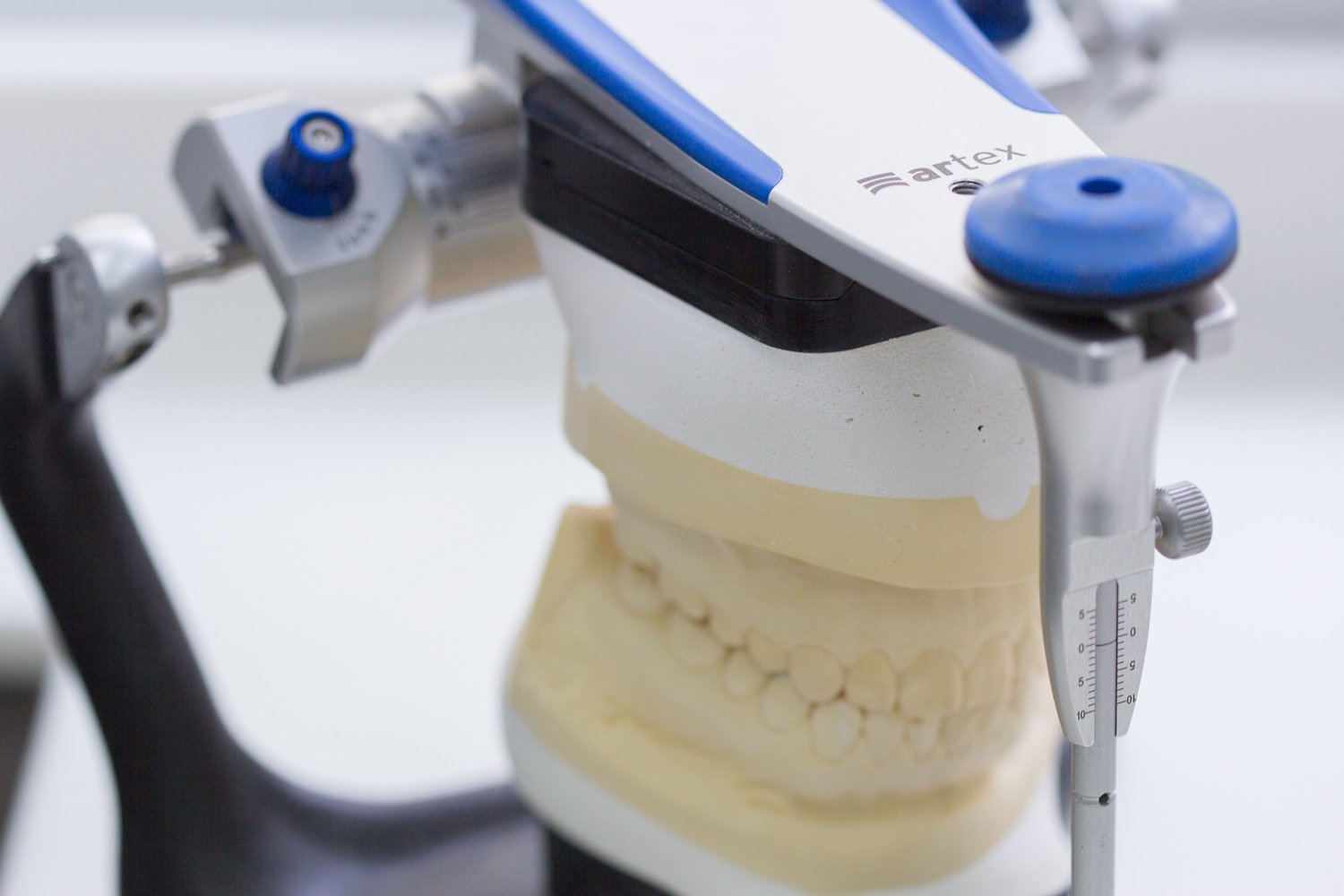
Once you have been diagnosed with obstructive sleep apnea by a sleep physician, a dentist experienced in dental sleep medicine can make a custom-fitted oral appliance using impressions and models of your teeth. Patients like it because it's comfortable, easy to wear, quiet, portable, convenient for travel and easy to clean.
Treating snoring or sleep apnea with oral appliance therapy can help you feel like a new person. You will find that your symptoms, and your quality of life, can improve dramatically when you remain committed to your treatment and use it nightly. Custom-fit oral appliances from Le Dentistry in Holland Drive can improve your sleep, restore your alertness and revitalize your health.
- Comfortable and custom-fitted to your teeth
- Quiet, portable and easy to travel with
- No mask, tubing or electricity required
- Simple to clean and maintain
- Effective for mild to moderate OSA
Research
Evidence that oral appliances can match CPAP
Dr. Loke Weiqiang, an Assistant Professor from the Faculty of Dentistry at the National University of Singapore, has been a leading investigator in the landmark CRESCENT trial during his tenure, provided compelling evidence that Mandibular Advancement Devices (MADs) may be as effective as — and in some metrics superior to — CPAP in lowering blood pressure for specific patients.
The CRESCENT trial, whose results were published in the Journal of the American College of Cardiology in 2024, was a rigorous, randomized non-inferiority trial comparing MADs directly to CPAP. The study focused on 220 Asian patients with both moderate-to-severe OSA and hypertension who were at high cardiovascular risk.
The primary outcome was the change in 24-hour mean arterial pressure after six months of treatment. The group using the MAD saw a significant reduction of 2.5 mm Hg in their 24-hour mean arterial pressure, whereas the CPAP group showed no significant change from baseline.
Dr. Loke and his team's research goes beyond merely establishing non-inferiority; it suggests a potential advantage for the MAD in this demographic. The study demonstrated that the MAD was statistically non-inferior to CPAP, but the between-group difference of -1.6 mm Hg numerically favored the MAD. This effect was most pronounced in asleep blood pressure parameters, a key metric for cardiovascular risk.
The researchers postulate that this enhanced efficacy in their Asian cohort may be due to the "restrictive craniofacial phenotype" common in Asian populations, which makes them particularly responsive to mandibular advancement therapy. This positions Dr. Loke's work as pivotal in advocating for personalized treatment strategies in sleep medicine.
Gallery
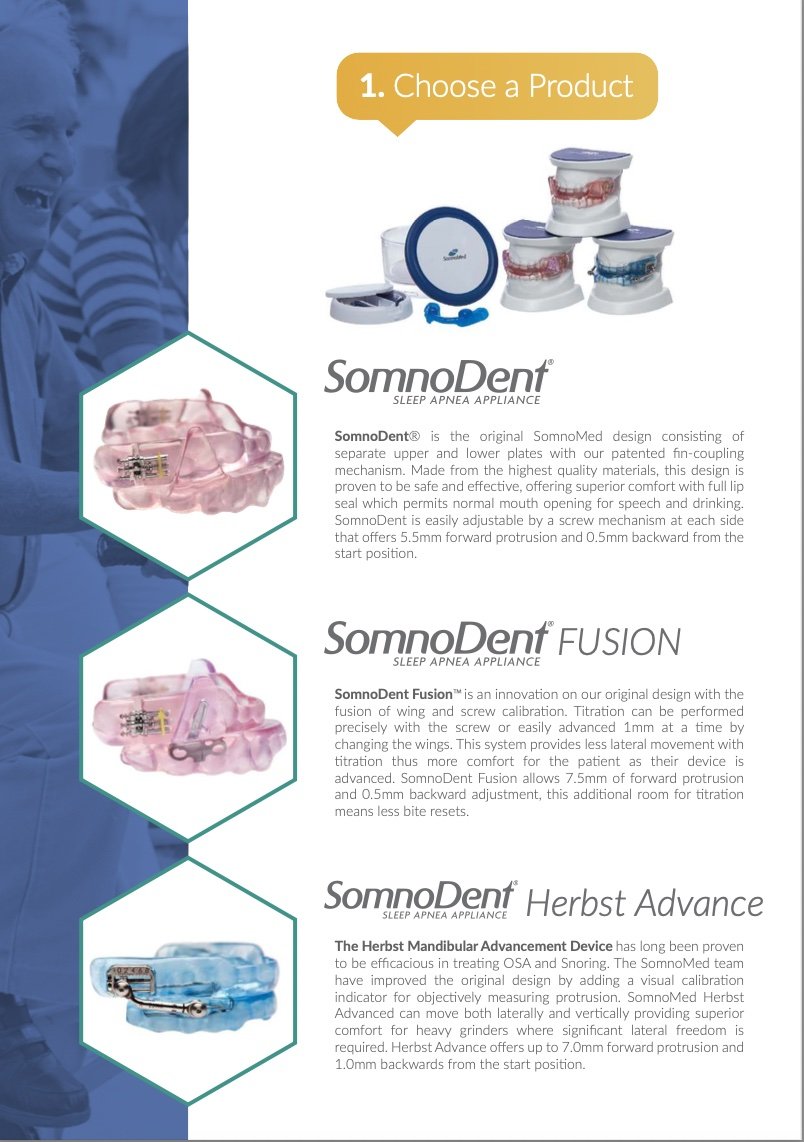
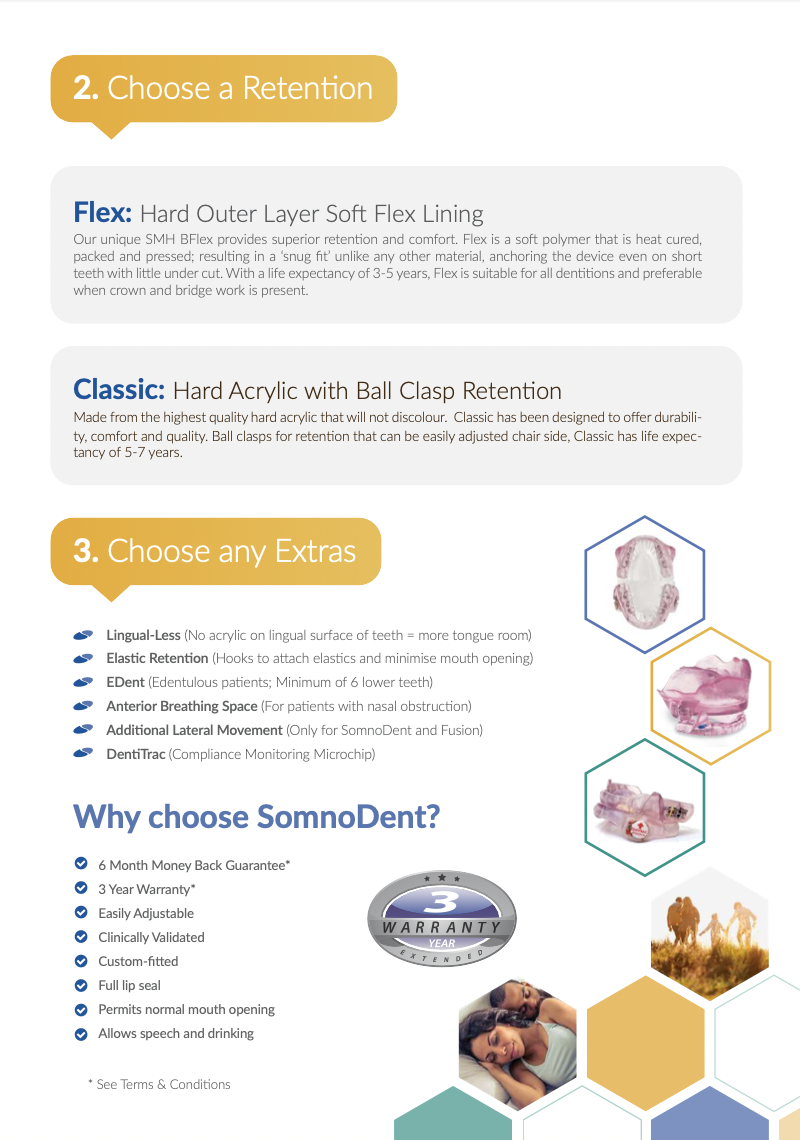
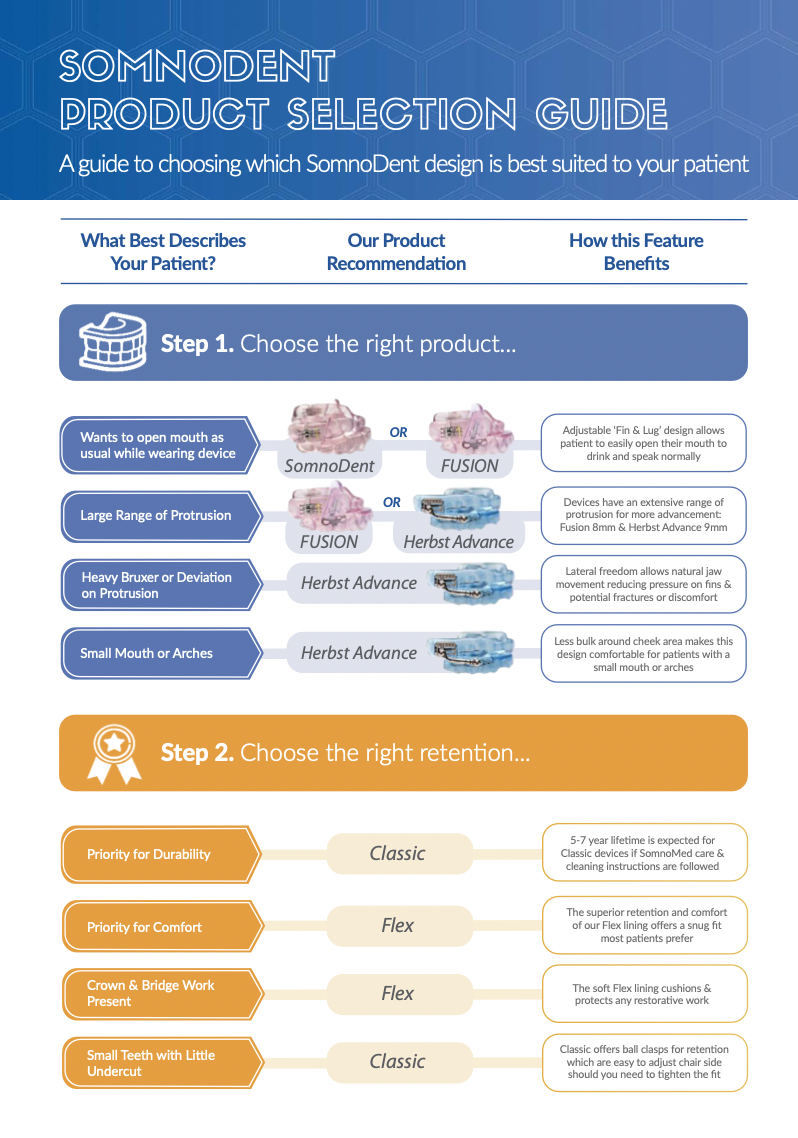
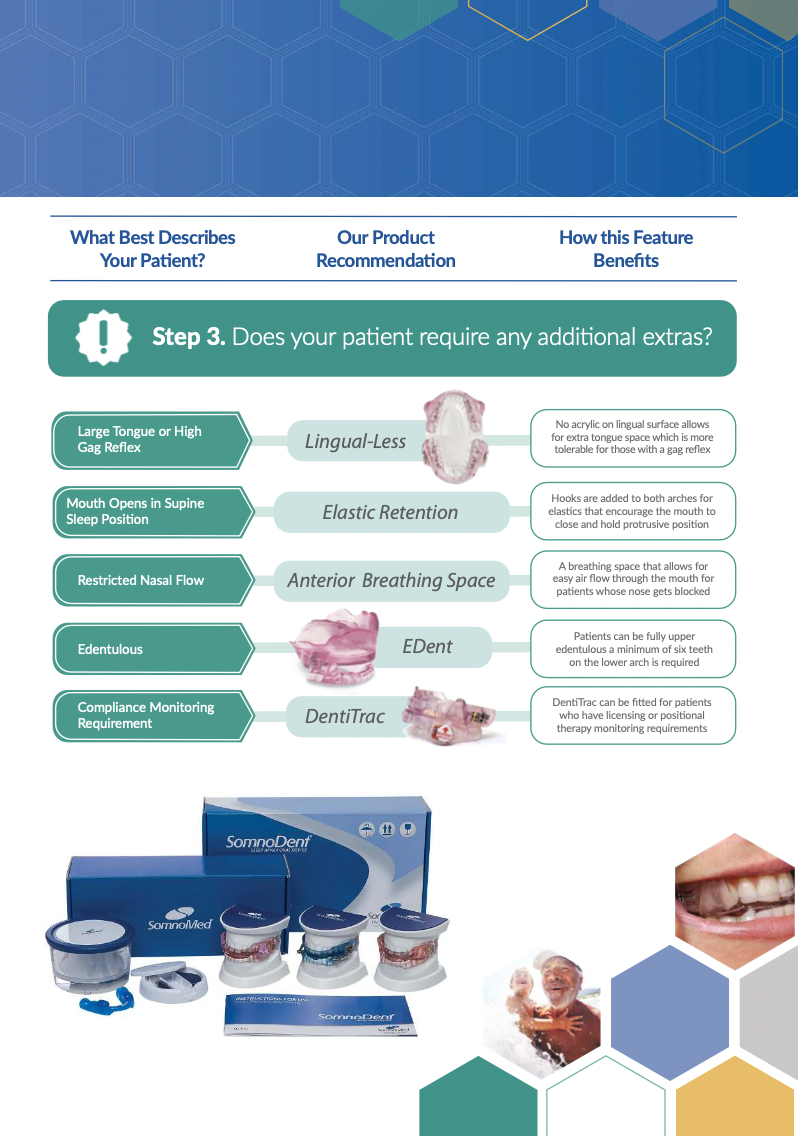
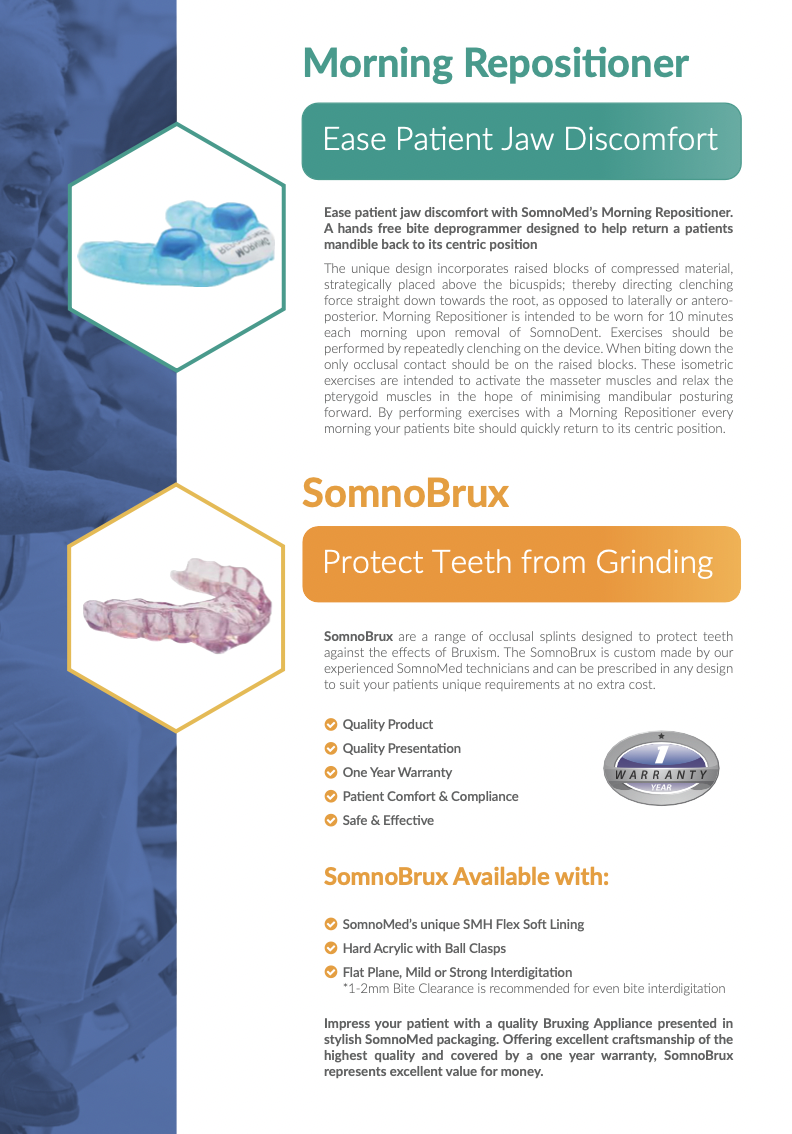
SomnoDent oral appliances
Precision-fit mandibular advancement devices designed for comfort and effective airway support.

FAQ
Common questions about sleep dentistry
Screening
Screen yourself at home
Our free STOP-Bang questionnaire takes under two minutes and gives you an instant risk score for obstructive sleep apnea. It is not a diagnosis, but it can help you decide whether to book a formal sleep assessment.
Ready to sleep better?
If you have concerns about snoring and sleep apnea, it may be time to make an appointment. If you suspect you may have sleep apnea, our dentists can recommend a sleep physician to help get you started on your path to treatment. If you have already been diagnosed with sleep apnea, we can also fit you with an oral appliance.
Book a consultation