

START HERE
Orthodontics at Le Dentistry
Every smile is planned digitally before a single tooth moves, so you can see where treatment is heading. We treat children, teenagers and adults with Invisalign First, clear aligners, conventional braces and self-ligating braces.
At Le Dentistry we use Invisalign TM and ClearCorrect.

AGES 6–10
A parent's guide to Invisalign First
As parents, we monitor our children's development closely, and their dental health is a top priority. If your child's permanent teeth are starting to come in, early intervention has never been easier or more discreet, thanks to Invisalign First.
Invisalign First is a specialized orthodontic treatment designed specifically for children between the ages of 6 and 10. It uses a series of clear, removable aligners to gently guide your child’s jaw and teeth as they grow, correcting a range of common issues early on.

- Guides jaw development: Addresses problems with jaw growth and creates space for incoming permanent teeth, which can prevent more serious issues later.
- Corrects harmful habits: Helps correct habits like thumb-sucking or tongue-thrusting that may impact dental development.
- Boosts confidence: The aligners are virtually invisible, so your child can be treated without the self-consciousness that often comes with metal braces.
- Removable for easy care: Aligners come out for meals, so your child can eat all their favourite foods and keep brushing and flossing with ease.
Your journey begins with a consultation where we will use advanced digital scanning to create a precise 3D model of your child’s mouth. This allows you to see a preview of their proposed treatment plan and final smile outcome.
Your child will wear each set of custom-made, smooth aligners for about one to two weeks before moving to the next set. We will schedule periodic check-ups with our team (about every 6-8 weeks) to monitor progress and provide the next series of aligners.
Invisalign First is an excellent solution for common early issues, including:
- Crowded or crooked teeth
- Crossbites (when upper teeth close inside the lower teeth)
- Spacing problems
- Narrow dental arches
By addressing these concerns during a child's growth phase, we can often achieve better, more stable results in less time.
If you’re curious about how early intervention can benefit your child’s smile, we invite you to schedule a complimentary consultation. Let’s work together to build a foundation for a lifetime of healthy, confident smiles
FOR TEENS & ADULTS
What are Clear Aligners?
Clear aligners is an alternative to traditional braces, designed to straighten teeth and correct misalignments. Made from clear, medical-grade plastic, these aligners are custom-fitted to your teeth, providing a nearly invisible way to improve your smile.

WHY PATIENTS LIKE THEM
Benefits of Clear Aligners
Discreet and Aesthetic
Clear aligners are virtually invisible, making them an excellent choice for those who want to straighten their teeth without the noticeable appearance of metal braces. This makes them particularly popular among adults and teens who are conscious of their appearance.
Comfortable and Removable
Unlike traditional braces, clear aligners are smooth and comfortable to wear. They can be easily removed for eating, drinking, brushing, and flossing, allowing you to maintain your regular oral hygiene routine without any hassle.
Effective and Convenient
Clear aligners are highly effective at treating a variety of orthodontic issues, including crowding, spacing, and mild to moderate bite problems. They offer the convenience of fewer office visits, as you typically receive several sets of aligners at once.
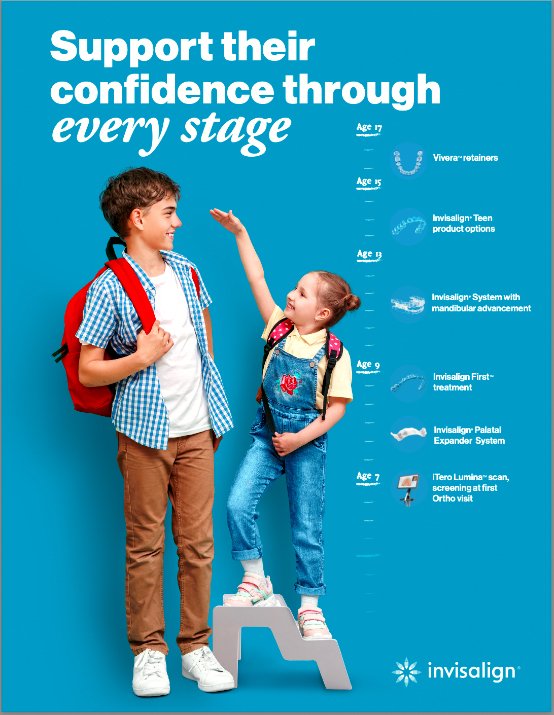
Aligner therapy for all ages - kids to young adults
You will need to wear your clear aligners for 20-22 hours per day, changing to a new set of aligners every 1-2 weeks as directed by your orthodontist. Regular check-ups will be scheduled to monitor your progress. It’s important to keep your aligners clean by brushing them with a soft toothbrush and rinsing them in lukewarm water.
TAP TO REVEAL
Frequently Asked Questions About Clear Aligners
Depending on the severity of individual cases, treatment may vary from 6 months to 2 years with an average treatment lasts around 12 – 14 months.
With controlled force on the teeth, Invisalign aligners move teeth into the appropriate placement. The main difference is that Invisalign also controls the timing of the force application. At a certain stage, only specific teeth are allowed to move, and these applications are determined by the orthodontic treatment plan for that particular stage. This results in an efficient force delivery system.
Your Invisalign-accredited dentist will determine if Invisalign is a suitable treatment for you
Clear aligner therapy may not be the best option for everyone. There are certain types of tooth movements that are less predictably achieved with clear aligners alone, including:
- Complex extrusions: Moving teeth vertically out of the gum line can be challenging with clear aligners.
- Severe derotations of cylindrical teeth: Rotating teeth with round or cylindrical shapes can be difficult to achieve with aligners.
- Closure of large spaces: Aligners may struggle to close significant gaps, especially those from the extraction of teeth other than lower incisors.
For these specific cases, alternative or supplementary orthodontic treatments might be necessary to achieve the desired results. Always consult with your orthodontist to determine the best treatment plan for your individual needs.
Almost everyone over the age of 14 is eligible for the treatment as long as their second (12 year old) molars are fully erupted.
Some form of combination of braces and aligners are being used on many patients, however you should consult your dentist to evaluate and suggest the best possible treatment for you.
Yes, these aligner systems can correct mild to moderate overbites. The aligners create a force on the front teeth causing them to intrude, thus correcting the overbite.
Crowns are typically not a barrier to clear aligner treatment. However, small composite attachments may be bonded to teeth to assist with specific movements. In these cases, the location of crowns must be carefully considered and evaluated to ensure the best treatment outcome. Always consult with your orthodontist to discuss how existing crowns might impact your aligner therapy.
Yes, both systems can close spaces between teeth easily, however the location and size of spaces will need to be evaluated.
In the early of each stages of treatment, most people experience temporary, minor discomfort. This is normal and is typically described as a feeling of pressure when the aligners are sequentially moving your teeth. This discomfort normally goes away a couple of days after you insert the new aligner in the series.
Invisalign treatment in Singapore typically ranges from about S$4,500 – S$8,000+ when performed by a general dentist, while the cost of Invisalign lies between S$7,000 – S$9,500+ for treatment by an orthodontist (braces specialist).
Some dental clinics do offer patients lower prices (S$3,500 to S$6,500+ range) simply due to the fact that this price does not include the pre-treatment assessments, mid-treatment procedures and post Invisalign treatment costs, such as tooth extractions when needed, dental x-rays, treatment planning and retainers.
- First Payment (Initial Consultation) $100
- Second Payment (Treatment Planning)$500
- Third Payment (Confirmation of Treatment Plan)$1000
- Fourth Payment (Issuing of First Set of Aligners)$1000
- Balance Paid via Monthly Instalments$300 – $500
SIDE BY SIDE
What is the difference between aligners and other orthodontic options?
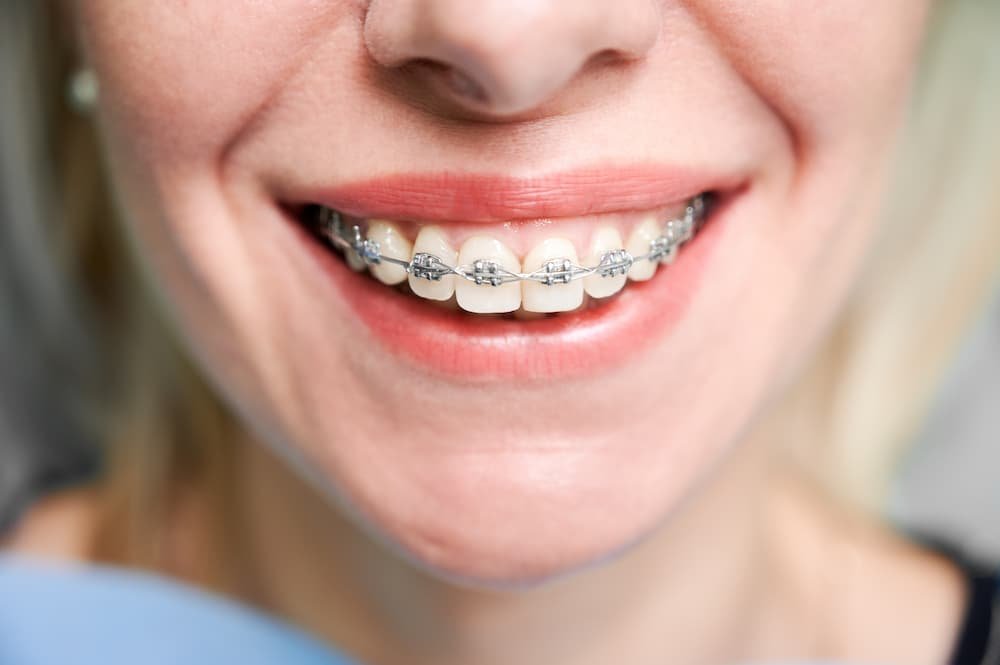
Conventional Braces
Traditional braces use brackets and wires to gradually shift teeth into proper alignment.
Key features
- Highly effective — Works for complex cases (severe crowding, bite issues)
- Customisable — Choose metal or tooth-coloured ceramic brackets
- Predictable results — Decades of proven success
- No compliance needed — Unlike removable aligners
Best for
- Severe misalignment or bite problems
- Younger patients (children & teens)
- Cases requiring precise tooth movement
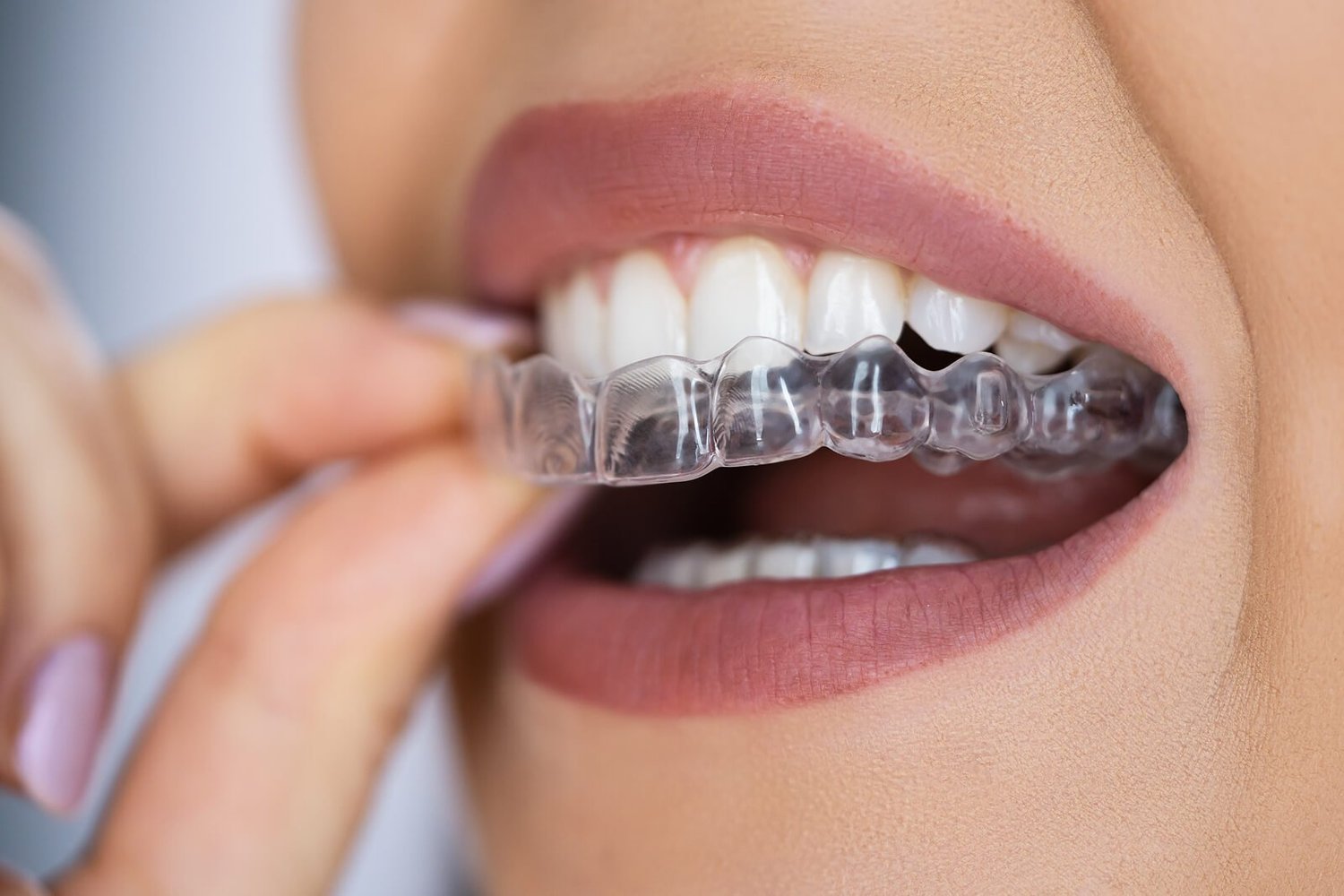
Clear Dental Aligners (e.g., Invisalign®)
Clear aligners are a modern, nearly invisible alternative to braces, custom-made to fit your teeth comfortably.
Key features
- Virtually invisible — No metal brackets or wires
- Removable — Eat, drink, and clean your teeth with ease
- Comfortable — Smooth plastic reduces irritation
- Digital planning — 3D treatment preview before starting
- Faster treatment time — In some cases, typically 6–18 months
Best for
- Mild to moderate crowding or spacing
- Adults & teens seeking a discreet option
- Patients who want minimal lifestyle disruption
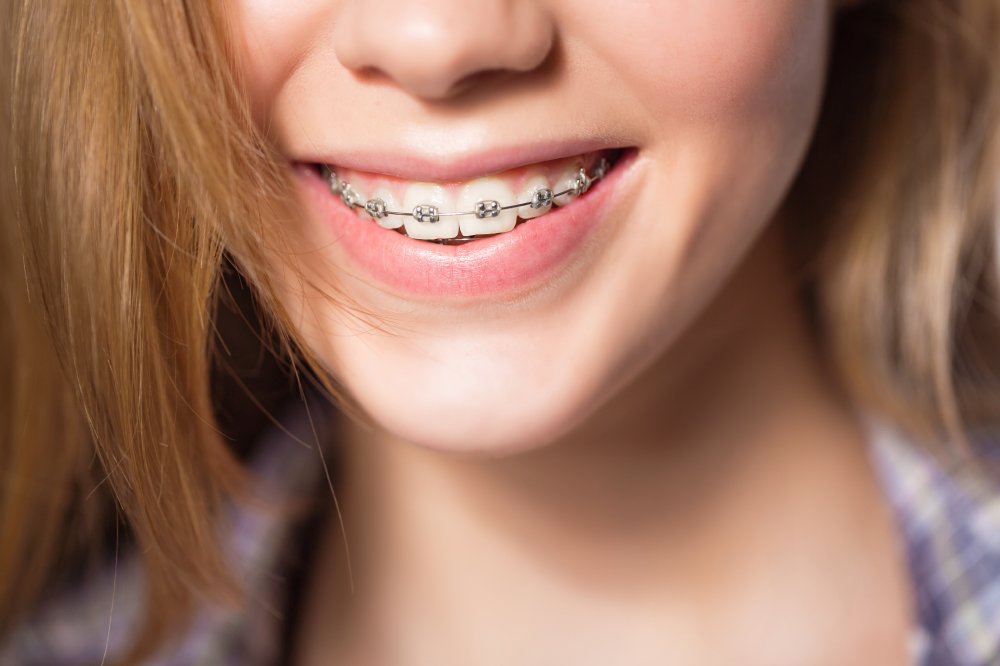
Self-Ligating Braces (e.g., Damon System)
A modern braces system with smoother, faster tooth movement.
Key features
- No elastic ties — Less friction, more comfortable
- Fewer adjustments — Faster treatment time
- Easier cleaning — Slide mechanism reduces plaque buildup
- Gentler force — Less discomfort than traditional braces
Best for
- Patients who want efficient treatment with fewer orthodontist visits.
- Shorter visits